I Survived 100 Days of Embroidery PNG Review
As an experienced embroidery designer who has spent countless weekends setting up booths at local craft fairs and handmade markets, I know that the difference between a bestseller and a forgotten item often comes down to one thing: the design's ability to stop a shopper in their tracks. Today, I am reviewing a specific digital asset titled I Survived 100 Days of Embroidery PNG. While the product description notes this as a sublimation design intended for transferring dye onto materials, my perspective is strictly from the needle and thread side of the business. I am evaluating how this concept translates into a physical machine embroidery design for my upcoming market run, focusing on what sells, what looks premium in person, and what is practical to produce in bulk.
First Impressions: A Bold Statement for Handmade Products
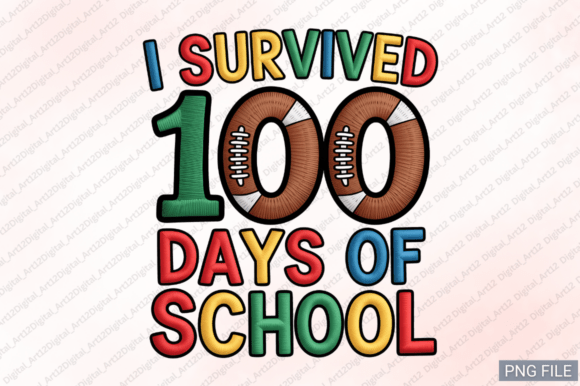
When I first opened the file preview for I Survived 100 Days of Embroidery PNG, the immediate reaction was one of playful nostalgia. The phrase "I Survived" has long been a staple in school-themed merchandise, but applying it to the arduous journey of learning or practicing embroidery gives it a unique, meta-humor that resonates deeply with our community. It feels bold, slightly rustic, and undeniably modern. For a craft fair booth filled with delicate lacework and floral motifs, this design offers a necessary punch of personality. It signals to the customer that the maker understands the struggle and triumph of the craft, creating an instant connection with fellow enthusiasts.
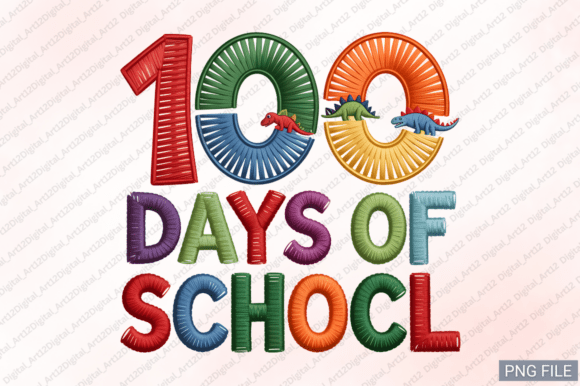
The visual style of the Graphics within this design suggests a versatile aesthetic. It leans towards a clean, typographic approach which works exceptionally well for both farmhouse-style decor and contemporary streetwear. However, because the source is described as a sublimation PNG, I must be cautious when converting this mental image into a stitch file. Sublimation relies on smooth gradients and solid fills, whereas embroidery requires distinct stitch paths. My goal is to ensure the final finished product retains the crispness of the original digital artwork without becoming a muddy mess of thread.
Evaluating Product Applications for Market Success
In preparing my table display, I am considering several key items where I Survived 100 Days of Embroidery PNG could shine. The versatility of the text allows it to move beyond just T-Shirt Designs and into high-margin home goods and accessories.
- Tote Bag Design: This is perhaps the strongest contender. A sturdy canvas tote bag provides a flat, stable surface for embroidery. Placing this design on the front pocket or centered on the body creates a statement piece that shoppers can carry out of the market, effectively acting as a walking advertisement for my brand.
- Tea Towel Embroidery: Kitchen linens are always popular at craft fairs. The texture of a cotton tea towel can add a charming, rustic feel to the stitching. However, I need to ensure the stitch density isn't too heavy, or the towel will pucker and lose its drape.
- Apron Embroidery: An apron is a classic gift for teachers or new hobbyists. Positioning the design on the bib area makes it highly visible. The durability of the fabric supports heavier stitching, making it ideal for this phrase.
- Embroidered Patch: Creating patches from this design allows for variety. Customers can buy them to iron onto denim jackets, hats, or bags. This reduces the risk of me overproducing a single garment type.
- Small Pouches and Pillow Covers: These smaller items work well if the design is scaled appropriately. A small pouch with this text becomes a perfect giftable item for someone who has just finished their first major project.
Practical Selling Points and Visual Appeal
The success of any craft fair product depends on how quickly a customer understands its value. I Survived 100 Days of Embroidery PNG excels here because the message is instantly readable. In a busy market environment, shoppers scan tables rapidly. A clear, legible phrase grabs attention faster than an abstract pattern. This clarity enhances the perceived value of the handmade product, suggesting confidence and skill in the maker's execution.
Furthermore, this design photographs beautifully for online listings. Whether I am updating my Etsy shop or posting on social media to drive traffic to my booth, the text-based nature of the design ensures it looks sharp in printable mockups and real-life photos. It aids in brand consistency across my various sales channels, reinforcing my identity as a creator who celebrates the milestones of the crafting journey. The humor also boosts buyer engagement; people love to share relatable content, and a tote bag declaring survival of a creative challenge is highly shareable.
Critical Production Notes for the Designer
While the concept is strong, the execution requires careful planning. Since the original asset is a sublimation PNG, I cannot simply load it into my machine. I must digitize it or find a corresponding embroidery file that respects the nuances of thread. Here are my critical notes for turning this concept into a sellable reality:
- Test on Scrap Fabric: Never skip this step. I will run a test hoop on a scrap piece of the exact fabric I plan to use. This reveals issues with thread colors bleeding through or the design looking too dense.
- Check Thread Contrast: The visibility of the text is paramount. On dark fabrics, I must use bright, contrasting threads. On light fabrics, I should avoid pale pastels that might get lost against the weave.
- Review Spacing and Hoop Size: If I am using this on a curved cap surface or a small pouch, I must confirm the hoop size fits without distorting the text. Long phrases can warp on curves if not properly balanced.
- Inspect Stitch Density: High-density areas can cause fabric puckering, especially on thin materials like tea towels. I may need to reduce the number of fill stitches to maintain a soft hand-feel.
- Use the Right Stabilizer: To prevent distortion on textured towels or stretchy t-shirts, a cut-away stabilizer is essential. It provides the backbone needed for the design to remain crisp after washing.
- Create Real Mockups: Before mass-producing, I will create at least one real sample to photograph. Digital renderings often lie about how thread interacts with fabric texture.
- Confirm Commercial Licensing: As a professional selling commercial embroidery products, I must verify that I have the right to sell finished goods made from this design. If the license only covers personal use, I cannot legally sell these at my booth.
Avoiding Common Pitfalls
There are specific scenarios where this design might fail if not handled correctly. Tiny details in the font or decorative elements around the text can disappear if the design is scaled down too much for a small accent patch. Similarly, thick fabrics like heavy denim or quilted pillow covers require longer needles and potentially different thread weights to penetrate cleanly. Dark fabrics pose a challenge for white or light-colored thread, which can show the fabric backing underneath if not covered with multiple layers of satin stitch.
Additionally, the texture of a kitchen towel can sometimes interfere with fine lettering. If the weave is too open, the stitches may sink in, making the text hard to read from a distance. In such cases, I might opt for a larger scale or a bolder font weight to ensure the message remains clear.
Final Verdict for the Small Shop Owner
For the Etsy seller or boutique maker looking to expand their inventory, I Survived 100 Days of Embroidery PNG represents a significant opportunity. It taps into a specific emotional milestone that resonates with the target audience of crafters and educators. When executed with proper attention to stitch density, fabric texture, and licensing, it transforms from a simple digital graphic into a high-value small shop product.
By focusing on durable applications like tote bags, aprons, and patches, and by ensuring the quality of the embroidery matches the charm of the message, this design has the potential to become a booth favorite. It stands out in a sea of generic patterns, offering a narrative that customers want to wear and display. With careful production testing and a strategic approach to design assets, this project is ready to move from the screen to the sewing machine, promising both artistic satisfaction and commercial success.