Paper Plane Embroidery Design File Review
As an embroidery designer who has spent years curating collections for boutique apparel and small clothing brands, I know that the right machine embroidery design can elevate a simple garment into a statement piece. Recently, while browsing Creative Fabrica for fresh concepts for an upcoming seasonal drop, I stumbled upon the Paper Plane Embroidery Design File. This specific embroidery file caught my eye immediately because of its promise to bring creativity and freedom to projects through a clean and minimal aesthetic. In this review, I will walk you through my professional assessment of how this design performs on various fabrics, its potential for commercial use, and why it might be the perfect addition to your next collection.
First Impressions: Visual Personality and Stitching Mood
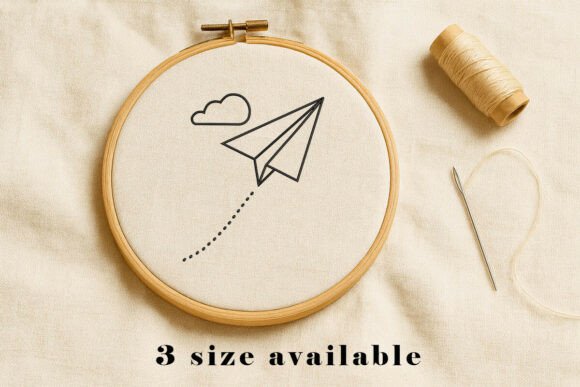
The moment I opened the preview of the Paper Plane Embroidery Design File, the visual personality was clear. It is not a loud or overly complex pattern; instead, it exudes a sense of calm and whimsy. The description notes that this design represents imagination and adventure, which translates perfectly into the stitching mood. For those of us creating custom apparel, finding a balance between detail and simplicity is crucial. This design leans heavily into the minimal side, featuring a flying paper plane with a cloud background. The lack of excessive saturation suggests that the stitch density is likely moderate, making it suitable for a wide range of fabric textures without causing puckering.
In the world of boutique merchandise, designs that feel premium yet approachable are gold. The Paper Plane Embroidery Design File feels classic yet trendy. It avoids the clutter often found in generic Toys category patterns, offering instead a sophisticated look that appeals to adults as well as children. Whether you are aiming for a playful vibe or a more rustic, handmade product feel, this design offers the decorative strength needed to stand out without overwhelming the garment.
Applicability Across Apparel and Lifestyle Products
When planning a new sweatshirt or hoodie collection, placement is everything. I envision the Paper Plane Embroidery Design File performing exceptionally well on neutral sweatshirts. Imagine a heather grey crewneck with this design placed on the left chest pocket area. The clean lines would pop against the textured fabric, creating a subtle brand identity marker. For pastel hoodies, the design could be rendered in slightly darker thread colors to create a soft contrast, perfect for spring or summer collections.
Beyond standard tops, this digital embroidery file opens up possibilities for sleeve accents. A smaller version on the cuff of an oversized sweatshirt adds a touch of detail that customers love to discover. On dark apparel, such as black or navy fleece, using white or metallic thread colors would make the paper plane and clouds appear to glow, adding a dynamic element to the finished product. I also see great potential for back designs on denim jackets, where the durability of the fabric supports the weight of the embroidery.
For Etsy sellers and digital creators, this design extends beyond clothing. It works beautifully on tote bags, where the flat surface allows the details to shine. Furthermore, the imagery is versatile enough for printable mockups used in social media graphics or Etsy listings. The concept of flight and imagination resonates well in lifestyle product photos, helping to tell a story about the brand's values. If you are building a small shop product line focused on travel, education, or childhood nostalgia, this Creative Fabrica embroidery asset fits the narrative seamlessly.
Strategic Placement and Fabric Considerations
While the Paper Plane Embroidery Design File is versatile, experienced decorators know that certain areas require careful handling. Small chest placements are ideal, but one must be cautious with dense stitch areas. If the cloud background is filled with satin stitches, placing it on highly stretchy fabric like ribbed cuffs or necklines could lead to distortion over time. Always test on scrap fabric first to ensure the stabilizer choice is adequate for the specific material.
Fleece and heavy cotton blends are generally forgiving, but curved surfaces, such as the shoulders of a hoodie, demand precision. Hooping these areas incorrectly can result in uneven tension. Additionally, if you plan to add tiny lettering alongside the design, ensure there is enough spacing to prevent the needle from breaking or the threads from tangling. Dark garments require extra attention to backing; a cutaway stabilizer is often necessary to support the weight of the thread and maintain the shape of the clouds and plane.
Areas prone to stretching or wrinkling, like the lower hem of a t-shirt, should be avoided for larger versions of this design. Instead, keep the embroidery centered on flatter panels. By respecting the limitations of the fabric texture and the mechanics of the machine, you ensure that the final result looks professional and lasts through washes.
Impact on Brand Identity and Commercial Value
Using a high-quality commercial embroidery design like the Paper Plane Embroidery Design File directly affects buyer trust and product recognition. When customers see consistent, well-executed embroidery on your custom apparel, they associate that quality with your brand identity. This design, with its themes of imagination, helps build an emotional connection with your audience. It signals that your boutique brand cares about creativity and storytelling.
For handmade business owners, the ability to produce unique items quickly is vital. This embroidery file streamlines the process, allowing you to focus on other aspects of your business, such as marketing and customer engagement. The visual consistency across different products—whether it's a hoodie, a tote bag, or a t-shirt—creates a cohesive collection that looks intentional rather than random. This professional presentation can significantly increase the perceived value of your items, justifying higher price points in a competitive market.
Practical Designer Notes Before Production
Before committing to a full production run, I always follow a strict protocol. First, download the Paper Plane Embroidery Design File and inspect the stitch density. While the description highlights a clean and minimal style, confirming the actual stitch count is essential to match your machine's capabilities. Second, confirm the hoop size required. If the design is large, you may need a 6x10 inch hoop or larger, which impacts what garments you can use.
Third, review the thread color options. The default palette might not suit your specific collection, so plan your color changes carefully to minimize waste and maximize efficiency. Fourth, test the design on a similar garment fabric to your intended product. This step is non-negotiable for ensuring the stabilizer holds up under stress. Finally, always check the Creative Fabrica product details and licensing before selling finished apparel. Ensure that the license covers commercial use for physical goods like clothing and accessories. By taking these steps, you protect your business and ensure every piece you sell meets the highest standards of craftsmanship.
Ultimately, the Paper Plane Embroidery Design File is a strong contender for any decorator looking to add a touch of whimsical elegance to their portfolio. Its adaptability across various mediums makes it a valuable asset for anyone serious about creating memorable, high-quality custom apparel.