Butterfly Cocoon Embroidery Design Review
As I set up my table for the upcoming weekend craft fair, I am surrounded by stacks of finished goods: tote bags, aprons, tea towels, and small pouches. My goal is to curate a display that stops shoppers in their tracks. Today, I am putting the Butterfly Cocoon Embroidery Design through its paces to see if it belongs in my premium collection or if it needs more tweaking before hitting the market. For any Etsy seller, boutique maker, or digital seller looking to expand their catalog with nature-inspired items, this review breaks down exactly how this design performs in the real world.
First Impressions: Elegance Meets Transformation
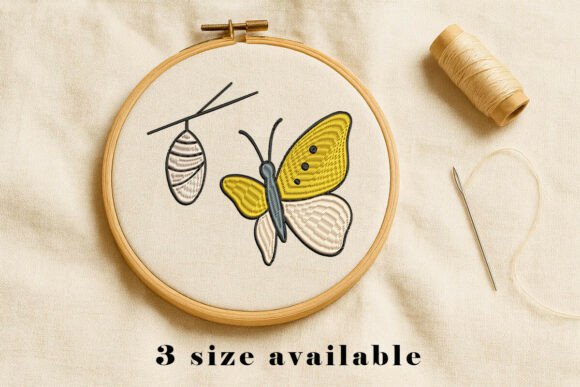
At first glance, the Butterfly Cocoon Embroidery Design feels soft, elegant, and deeply symbolic. It captures the moment of transformation—a delicate butterfly emerging from its cocoon. In a sea of loud patterns and cartoonish Bugs, this design stands out as sophisticated yet approachable. It does not scream "rustic farmhouse" nor does it feel overly modern or minimal. Instead, it occupies a sweet spot of decorative beauty that appeals to customers seeking handmade products with a story.
When I pinned the sample onto a cream-colored linen tote bag, the visual impact was immediate. The contrast between the textured cocoon and the flowing wings creates a focal point that draws the eye. For a craft fair booth, where you have seconds to capture attention, this design succeeds because it feels like art rather than just a logo. It suggests growth, renewal, and beauty, themes that resonate strongly with buyers looking for meaningful gifts.
Performance Across Product Categories
The true test of any machine embroidery design is its versatility. I evaluated how the Butterfly Cocoon Embroidery Design translates across various craft fair product categories essential for a well-stocked booth.
- Tote Bags: This is arguably the best canvas for this design. Placed on the front center or lower corner of a sturdy cotton tote, the tote bag design looks substantial and high-quality. It elevates a simple bag into a statement piece.
- Kitchen Textiles: On tea towel embroidery and apron embroidery, the design adds a touch of whimsy to functional items. The organic lines of the butterfly complement the natural fibers of kitchen linens perfectly.
- Patches and Caps: As an embroidered patch, this design works beautifully on denim jackets or backpacks. However, on curved cap surfaces, the intricate details of the cocoon require careful placement to avoid distortion.
- Small Pouches and Pillow Covers: These smaller handmade product options benefit from the design's ability to scale. It serves as a charming accent on a makeup bag or a stunning centerpiece on a throw pillow cover.
For digital sellers creating printable mockups, the Butterfly Cocoon Embroidery Design photographs exceptionally well. The depth created by the stitching adds a tactile quality that flat images often lack, making your online listings pop.
Practical Selling and Production Insights
From a production standpoint, efficiency is key for any small shop owner. Does this design work for batch production? Yes, but with caveats. The stitch density appears balanced, meaning it should not cause excessive puckering on medium-weight fabrics. However, the transition from the dense cocoon to the airy wings requires a machine that handles underlay stitches well.
One major selling point is clarity. Even at a distance, the silhouette of the butterfly emerging is recognizable. This is crucial for booth displays where customers scan tables quickly. If a design is too abstract, it loses value; if it is too busy, it overwhelms. This embroidery file strikes the right balance, acting as both a large focal design and a manageable accent depending on the hoop size used.
Furthermore, the design feels repeatable. Once you perfect the tension and thread colors, you can produce a consistent line of commercial embroidery items without fear of quality fluctuation. This consistency builds brand trust, which is vital for creative entrepreneurs aiming to grow their business beyond local markets.
Careful Use Notes and Technical Considerations
While the Butterfly Cocoon Embroidery Design is versatile, experienced designers know that no pattern is foolproof. Here are critical notes to ensure your finished product meets professional standards.
Dense Stitch Areas and Tiny Details
The cocoon section contains tighter stitching to create texture. If you attempt to downsize this design significantly, those tiny details may merge into a solid blob. Avoid using this design on very small items like keychains unless you are willing to sacrifice the definition of the cocoon. Always check the minimum recommended size in your digital embroidery file specifications.
Fabric Texture and Thickness
On thick fabrics like heavy canvas or textured towels, the fine lines of the butterfly wings might get lost. A stabilizer is non-negotiable here. I recommend testing the design on scrap fabric first to ensure the fabric texture does not interfere with the stitch definition. Darker fabrics will also require a backing layer to prevent show-through, which can muddy the delicate wing colors.
Curved Surfaces
When applying this to caps or rounded bottle holders, the curvature can stretch the design. The symmetrical nature of the butterfly helps, but the cocoon may appear distorted if the hoop is not positioned correctly. Practice on a dummy item before committing to your inventory.
Maximizing Visual Appeal and Customer Engagement
The ultimate goal of any small shop product is to connect emotionally with the buyer. The Butterfly Cocoon Embroidery Design excels here. It transforms a standard item into a symbol of personal growth. When I placed a sample on my table next to a plain tote, the embroidered version immediately commanded a higher perceived value.
To maximize this effect, pay close attention to thread colors. Earth tones like sage green, terracotta, and dusty rose enhance the nature-inspired theme, while vibrant blues and purples make the butterfly pop against neutral backgrounds. Creating a cohesive color palette across your booth samples reinforces your brand identity and makes your display look curated rather than chaotic.
Designer Checklist Before Production
Before you commit to mass-producing items featuring this design, run through this checklist to ensure success:
- Test on Scrap Fabric: Never skip the test run. Check for puckering, thread breaks, and alignment issues.
- Check Thread Contrast: Ensure the thread colors stand out against your chosen fabric background.
- Review Spacing and Hoop Size: Confirm that the design fits comfortably within your hoop without crowding the edges.
- Inspect Stitch Density: Adjust if necessary to prevent fabric distortion, especially on lightweight materials.
- Use the Right Stabilizer: Match the stabilizer weight to your fabric type to maintain crisp details.
- Create Real Mockups: Take photos of actual stitched items for your Etsy listings and social media.
- Compare Fabric Colors: Test the design on multiple fabric shades to find the most profitable combinations.
- Confirm Licensing: Verify your commercial embroidery rights before selling finished products. Do not assume a free download allows for resale.
By following these steps, you ensure that the Butterfly Cocoon Embroidery Design delivers on its promise of transformation and beauty. Whether you are selling at a bustling craft fair or managing a thriving online store, this design offers a unique opportunity to sell not just a product, but a feeling of renewal. With proper execution, it becomes a standout asset in your collection of design assets, driving sales and enhancing your reputation as a skilled artisan.