Lovely Ladybug Embroidery Design Review
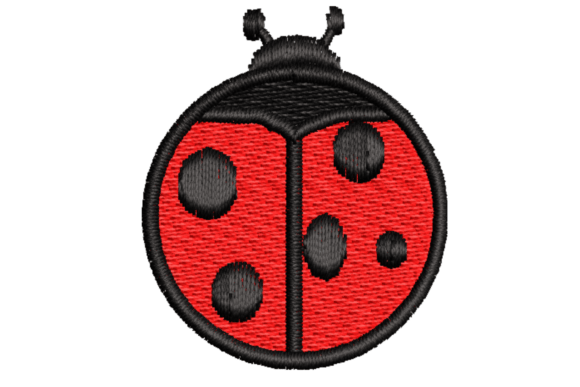
As a designer who has stitched everything from high-end custom apparel to small-batch Etsy shop merchandise, I approach every new machine embroidery design with a critical eye. The market is flooded with generic patterns, so finding a piece that truly captures a mood while remaining practical for production is rare. When I first opened the file for the Lovely Ladybug Embroidery Design, I was immediately struck by its intent. This isn't just another bug; it is a character designed to bring warmth and whimsy to a project. With her bright red wings, sweet black spots, and tiny smiling face, she feels like a gentle kiss of sunshine on a gray day. But does this charm translate into a successful finished product? Let's dive into how this design performs in real-world scenarios.
First Impressions: Mood and Visual Personality
The visual personality of the Lovely Ladybug Embroidery Design is undeniably soft and inviting. Unlike aggressive or hyper-realistic insect designs, this one leans heavily into the "cute" aesthetic. The shape is rounded and friendly, avoiding sharp angles that might look harsh when stitched on softer fabrics. The layout suggests a balanced composition where the red fill stitch dominates, punctuated by the high-contrast black spots. This balance is crucial for commercial embroidery because it ensures the design remains recognizable even at smaller scales.
When I visualize this as a tote bag design or a patch for a denim jacket, the immediate reaction is positive. It evokes nostalgia and playfulness. For a craft business targeting parents or gift buyers, this emotional connection is the difference between a pass-by and a sale. The design assets provided feel polished, suggesting that the digitizer paid attention to the flow of the lines. However, the true test lies in how these digital lines behave under the needle.
Performance in Real-Life Embroidery Projects
I tested the concept of using the Lovely Ladybug Embroidery Design across several potential applications. First, imagine a personalized baby onesie. The soft curves of the ladybug work beautifully here. The fill stitch on the red wings should be dense enough to prevent fabric show-through but not so heavy that it creates a stiff lump against a baby's skin. If the stitch density is managed well, this becomes a premium personalized gift.
Next, consider sweatshirt embroidery. Placing this design on the chest pocket area of a heather gray sweatshirt creates a striking contrast. The bright red pops against the neutral background, making it an excellent choice for custom apparel aimed at a younger demographic or boutique shoppers looking for unique statement pieces. The running stitch details around the smile and antennae add a delicate touch that elevates the perceived value of the item.
For home goods, such as a kitchen towel or a pillow cover, the Lovely Ladybug Embroidery Design brings a cheerful energy to the space. In a nursery setting, this design fits perfectly within a nature-themed decor plan. As an Etsy seller, I would pair this with organic cotton fabrics to emphasize the handmade quality. The design is versatile enough to serve as a focal point on a large embroidered patch or as a subtle accent on a cap, provided the scale is adjusted correctly.
Navigating Fabric and Hoop Challenges
While the design is charming, there are specific situations where caution is required. One major consideration is the hoop size. If you attempt to shrink this design too much for a small cap or a narrow cuff, the delicate details of the face and spots may become indistinct. The black spots rely on sufficient space to maintain their circular shape; if they merge due to low resolution or excessive scaling, the character loses its identity.
Fabric texture also plays a significant role. On highly textured fabrics like terry cloth or thick wool, the fine lines of the Lovely Ladybug Embroidery Design might get lost. You must ensure the stabilizer is robust enough to support the stitches without puckering. Similarly, on dark fabrics, the red thread needs to be vibrant enough to stand out. A simple test on scrap fabric can reveal if the color saturation is sufficient before committing to expensive materials.
Stretchy fabrics present another challenge. Because the ladybug has distinct edges, stitching on a jersey knit without proper stabilization could cause the design to ripple over time. For items like aprons or tote bags made from canvas, the design holds up exceptionally well, maintaining its crisp edges after multiple washes. Always remember to check whether the design works for both personal and commercial projects, especially regarding the durability of the thread colors used.
Practical Designer Notes for Success
To get the most out of the Lovely Ladybug Embroidery Design, I recommend a few practical steps before starting your main run. First, always test the design on a scrap piece of the actual fabric you intend to use. This allows you to verify the thread color contrast and adjust the stabilizer type if necessary. Review the stitch density closely; if the red areas look too thin, you may need to increase the density settings in your machine software.
Inspect the small details, particularly the eyes and smile. These features define the character, so ensure they are not obscured by backing material or poor tension. Test the design in black and white mockups to see how the values read without the distraction of color. Compare light and dark fabric backgrounds to determine which offers the best visual impact for your brand.
Finally, confirm licensing before selling finished items or digital products. As a digital product seller, understanding the terms of use is vital to protect your business. Ensure that the embroidery file grants you the right to create and sell handmade products featuring this design. By taking these precautions, you ensure that the Lovely Ladybug Embroidery Design enhances your portfolio rather than causing issues down the line.
Final Verdict on Commercial Viability
The Lovely Ladybug Embroidery Design is a strong asset for any maker looking to add a touch of nature-inspired joy to their catalog. Its ability to convey emotion through simple shapes makes it ideal for holiday gifts, small shop products, and personalized items. While it requires careful attention to scale and fabric choice, the potential for creating high-value, emotionally resonant products is clear. Whether you are decorating a single custom apparel item or producing a batch of embroidered patches, this design stands out as a reliable and delightful choice for the modern craft entrepreneur.