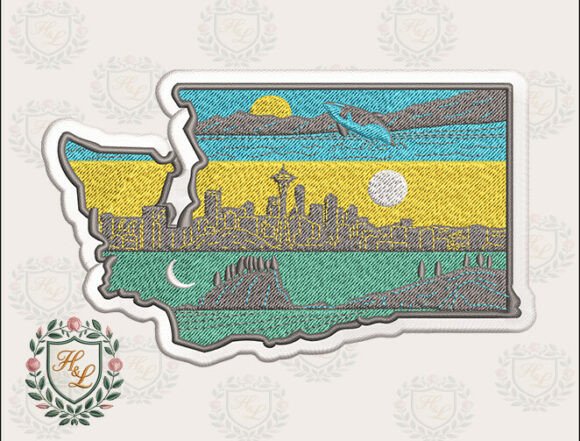
Layers of Washington Embroidery Files Review
As an embroidery designer who has spent years curating collections for boutique apparel and small clothing brands, I approach every new digital asset with a critical eye. When I first encountered the Layers of Washington Embroidery Files on Creative Fabrica, my immediate goal was to determine if this design could elevate a standard sweatshirt into a statement piece for a seasonal collection. In the world of custom apparel, the difference between a generic product and a brand-defining item often lies in the quality and versatility of the machine embroidery design used. This review explores how these specific files perform when translated from a screen to fabric, specifically focusing on their application for hoodies, tote bags, and other lifestyle products.
First Impressions: Visual Personality and Stitching Mood
The initial visual impact of the Layers of Washington Embroidery Files is one of structured elegance. The design leans towards a classic aesthetic with a modern twist, making it suitable for both rustic and trendy collections. The layering effect suggests depth without overwhelming the garment, which is crucial for maintaining a premium feel. Unlike some flat, single-layer designs that can appear cheap on high-quality fleece, this file offers decorative strength through its tiered composition. It feels professional and polished, fitting seamlessly into a boutique brand identity that values detail and craftsmanship.
When reviewing the stitching mood, the design strikes a balance between boldness and subtlety. It does not scream for attention in a chaotic way but rather invites the viewer to appreciate the texture. For an Etsy seller or a handmade business owner, this kind of visual personality is essential. It allows the finished product to stand out in social media graphics and printable mockups while remaining versatile enough for everyday wear. The design’s structure suggests it will hold up well under scrutiny, providing the visual consistency needed for a cohesive product line.
Performance on Sweatshirts and Hoodies
My primary test scenario involved imagining this design on a neutral grey sweatshirt and a pastel lavender hoodie. For sweatshirt embroidery, placement is key. The Layers of Washington Embroidery Files works exceptionally well as a chest placement on oversized garments. The layered nature of the design adds dimension to the smooth surface of the cotton blend, creating a tactile experience that buyers love. On a hoodie, the design could also serve as a striking back design, offering a large-scale focal point that balances the bulk of the hood.
For sleeve accents, the design requires careful scaling. While the full design might be too large for a sleeve cuff, extracting specific layers or simplifying the motif could create a sophisticated accent that complements a main chest logo. The stitch density appears manageable for most commercial embroidery machines, which is a relief when working with thicker fabrics like fleece. However, because sweatshirts have a natural stretch, the stabilizer choice becomes paramount. A cut-away stabilizer would likely be necessary to prevent the threads from sinking into the fabric texture over time, ensuring the longevity of the finished product.
Adaptability for T-Shirts and Denim
Beyond heavy knitwear, the versatility of this embroidery file extends to lighter materials. On a crisp white t-shirt, the Layers of Washington Embroidery Files offers a sharp contrast that highlights the intricate details of the appliqué style. The design feels equally at home on a denim jacket, where the rugged fabric texture complements the sturdy look of the stitching. For a small shop product line, this adaptability means you can use a single digital embroidery file across multiple SKUs, streamlining your production process while maintaining brand recognition.
When considering dark garments, the thread colors become a critical factor. The design's structure allows for creative color blocking, enabling decorators to choose bright, contrasting threads that pop against black or navy backgrounds. This flexibility is a significant advantage for seasonal collections, allowing a brand to refresh its look simply by changing the thread palette without altering the underlying design file.
Strategic Placement and Design Considerations
While the Layers of Washington Embroidery Files is robust, there are areas where caution is advised. Small chest placements require precise hoop size confirmation to ensure the design fits within the machine's capabilities without distorting the layers. Dense stitch areas should be avoided on highly stretchy fabric sections, such as ribbed cuffs or waistbands, as the tension can cause puckering. Curved surfaces also demand a skilled hand; hooping a curved area like the shoulder seam can lead to registration issues if the fabric is not stabilized correctly.
Tiny lettering, if present in any variation of the file, should be tested thoroughly before mass production. On textured fabrics like fleece, fine details can sometimes get lost or appear muddy. Always inspect the stitch density in your software before running the job. If the density is too high for the fabric weight, the final result may feel stiff or uncomfortable against the skin, which negatively impacts customer engagement and trust.
Enhancing Brand Value and Professional Presentation
Incorporating high-quality assets like the Layers of Washington Embroidery Files directly affects the perceived value of your apparel. A well-executed embroidery job signals quality, which builds buyer trust and encourages repeat purchases. For a boutique brand, this level of detail differentiates your offerings from fast fashion competitors. The professional presentation of the design in your listings, whether through high-resolution photos or printable mockups, communicates that you care about the end-user experience.
Furthermore, using a recognizable and well-designed motif helps establish a strong brand identity. When customers see the distinct layered style on a tote bag or a hoodie, they begin to associate that visual language with your shop. This visual consistency is vital for growing a loyal following on platforms like Etsy and Instagram. The design acts as a silent ambassador for your brand, conveying professionalism and creativity without saying a word.
Practical Designer Notes for Production
Before committing to a full run of custom apparel, I always recommend testing the Layers of Washington Embroidery Files on scrap fabric similar to your intended material. Check your stabilizer choice carefully; a tear-away might suffice for cotton tees, but a cut-away is usually better for sweatshirts. Review the thread color contrast to ensure visibility and aesthetic appeal. Confirm the hoop size required to avoid re-hooping mid-design, which can disrupt the alignment of the layers.
Finally, always check the Creative Fabrica product details and licensing terms before selling finished apparel. Ensure that the license covers commercial embroidery products for your specific business model. As with any machine embroidery design, verifying these details protects your business and ensures you are operating within legal boundaries. By taking these practical steps, you can confidently integrate this design into your next collection, knowing it will deliver the quality your customers expect.