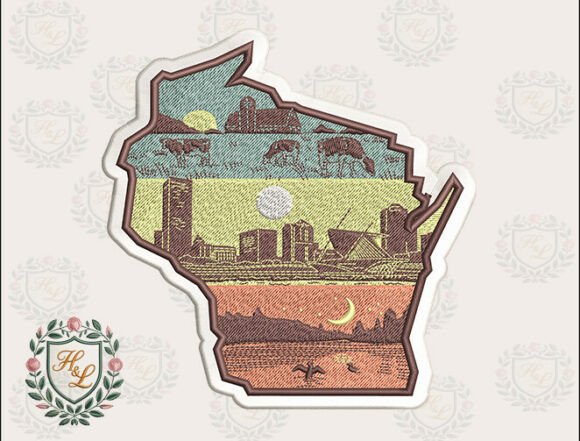
Layers of Wisconsin Embroidery Files Review
As an experienced embroidery designer who has spent years translating brand visions into tangible thread, I approach every new digital embroidery file with a critical eye. The market is flooded with generic patterns, but for small business owners and apparel decorators, the difference between a hobbyist project and a professional product often comes down to stitch quality, scalability, and design intent. Today, I am reviewing the Layers of Wisconsin Embroidery Files, a machine embroidery design specifically categorized under North America and designed for appliqué work. This review focuses on how this asset performs when moved from a digital screen to real-world merchandise like branded patches, staff uniforms, and boutique tote bags.
First Impressions: Aesthetic and Brand Potential
Upon opening the Layers of Wisconsin Embroidery Files in my digitizing software, the immediate impression is one of rustic elegance mixed with modern layering techniques. The title suggests a depth that goes beyond a flat logo; it implies texture and dimension, which are crucial for creating a premium feel in custom apparel. For a local café, a handmade soap brand, or a boutique florist looking to establish a strong visual identity, this design offers a friendly yet professional aesthetic. It does not scream "corporate," but rather whispers "crafted with care," making it an excellent choice for businesses that want to highlight their North American roots without appearing overly touristy.
The description notes that these files are perfect for shirts, tote bags, pillows, and festive decorations. However, as a designer focused on commercial viability, I see much broader applications. The layered nature of the design allows for significant versatility in color blocking. Whether you are aiming for a bold, high-contrast look for a cap embroidery project or a subtle, tonal approach for a linen apron, the structure of the Layers of Wisconsin Embroidery Files supports both directions effectively.
Performance in Real Business Applications
When evaluating an embroidery file for small business merch, the primary concern is how it translates across different substrates. The Layers of Wisconsin Embroidery Files excels in scenarios requiring durability and visual impact. For instance, if you are producing embroidered patches for a pet brand or a creative studio, the appliqué elements inherent in this design add a tactile quality that customers love. Patches made from this file can be sewn onto denim jackets, backpacks, or even used as standalone collectibles, adding perceived value to your finished product.
In the realm of staff uniforms, this design works exceptionally well as a chest logo accent or a sleeve detail. Imagine a bakery team wearing aprons featuring the Layers of Wisconsin Embroidery Files. The design's structure holds up well against the frequent washing cycles that commercial aprons endure, provided the correct stabilizer is used. Similarly, for event merch or customer gifts, such as tote bag designs, the file offers a clean outline that remains legible even when viewed from a distance. This visibility is key for mobile advertising; every time a customer carries your branded tote, they become a walking billboard for your brand identity.
For Etsy sellers and handmade brands, consistency is currency. Using the same digital embroidery file across various products—such as hats, pillow covers, and clothing tags—creates a cohesive look that builds trust. The Layers of Wisconsin Embroidery Files serves as a reliable design asset that ensures your branding looks uniform whether it is on a soft cotton shirt or a structured canvas bag.
Critical Considerations for Production
While the Layers of Wisconsin Embroidery Files is robust, there are specific scenarios where caution is required. As with any complex design, small patch sizes can be problematic. If you attempt to shrink this design too much for a tiny buttonhole or a small cap front, the intricate layers may lose definition, leading to stitching issues or a muddy appearance. Always test the design at your intended size before committing to a full production run.
Another area of concern is fabric texture. While the design is described as suitable for shirts and pillows, highly textured fabrics like heavy corduroy or thick wool can interfere with the needle penetration, especially in areas with high stitch density. In these cases, the appliqué portions might not lay flat, resulting in a less professional finish. Additionally, dark uniforms require careful consideration of thread colors. To ensure the design pops, you may need to adjust the underlay or use a backing that provides enough contrast for the lighter layers of the Wisconsin motif to stand out.
Cap embroidery also demands precision. Curved surfaces can distort the geometry of a layered design. When applying the Layers of Wisconsin Embroidery Files to a curved visor or crown, ensure that the hoop tension is adjusted correctly to prevent puckering. If the design includes tiny lettering within the layers, verify that the font size remains legible after stitching. Sometimes, what looks clear on a monitor becomes illegible once stitched onto a curved surface.
Impact on Brand Identity and Customer Trust
Ultimately, the choice of an embroidery file affects more than just the physical product; it influences customer perception. High-quality commercial embroidery signals professionalism and attention to detail. By utilizing the Layers of Wisconsin Embroidery Files, businesses can elevate their brand identity from a simple logo to a recognizable symbol of quality. When a customer receives a gift or purchases an item with a well-executed embroidered design, their engagement with the brand increases. They perceive the item as higher value, which can justify a higher price point for your handmade products.
This design fosters a sense of place and community, particularly for businesses operating within North America. It taps into a regional pride that resonates with local customers while remaining appealing to tourists looking for authentic souvenirs. The visual consistency achieved by using this file across your product line reinforces your brand message, making your business more memorable in a crowded marketplace.
Practical Designer Notes for Implementation
Before integrating the Layers of Wisconsin Embroidery Files into your workflow, follow these practical steps to ensure success:
- Test in Black and White First: Run a test stitch using a single thread color to check the flow of the design and identify any potential jumping or tension issues before investing in multiple spools of thread.
- Verify Hoop Size: Confirm that the design fits within your available hoops. If the file requires a larger hoop than you possess, you may need to split the design or adjust your setup.
- Select the Right Stabilizer: Given the appliqué nature of the design, use a tear-away or cut-away stabilizer appropriate for the fabric weight to prevent shifting during stitching.
- Create a Printable Mockup: Before sending files to clients or starting production, generate a mockup showing the design on the actual garment. This helps manage client expectations and reduces returns.
- Check Commercial Licensing: Always confirm the licensing terms of the digital embroidery file. Ensure you have the right to use the Layers of Wisconsin Embroidery Files for commercial purposes, including selling finished goods.
- Inspect Spacing and Density: Review the stitch density to ensure it is not too tight, which could cause puckering, or too loose, which might lead to gaps in the coverage.
In conclusion, the Layers of Wisconsin Embroidery Files is a versatile and high-quality asset for small business owners and embroidery professionals. With proper preparation and attention to detail regarding fabric and sizing, it can significantly enhance your custom apparel and branded merchandise offerings. By focusing on the technical execution and strategic application of this design, you can create products that not only look beautiful but also strengthen your brand's presence in the market.